

Emerging Infectious Diseases

APIC has set up this page as a clearinghouse of resources for infection preventionists on emerging pathogens and infectious diseases. Please check back frequently for updates. Learn about the EID Task force here

Candida Auris
Candida auris is an emerging fungus considered an urgent antimicrobial resistance (AR) threat by the CDC.
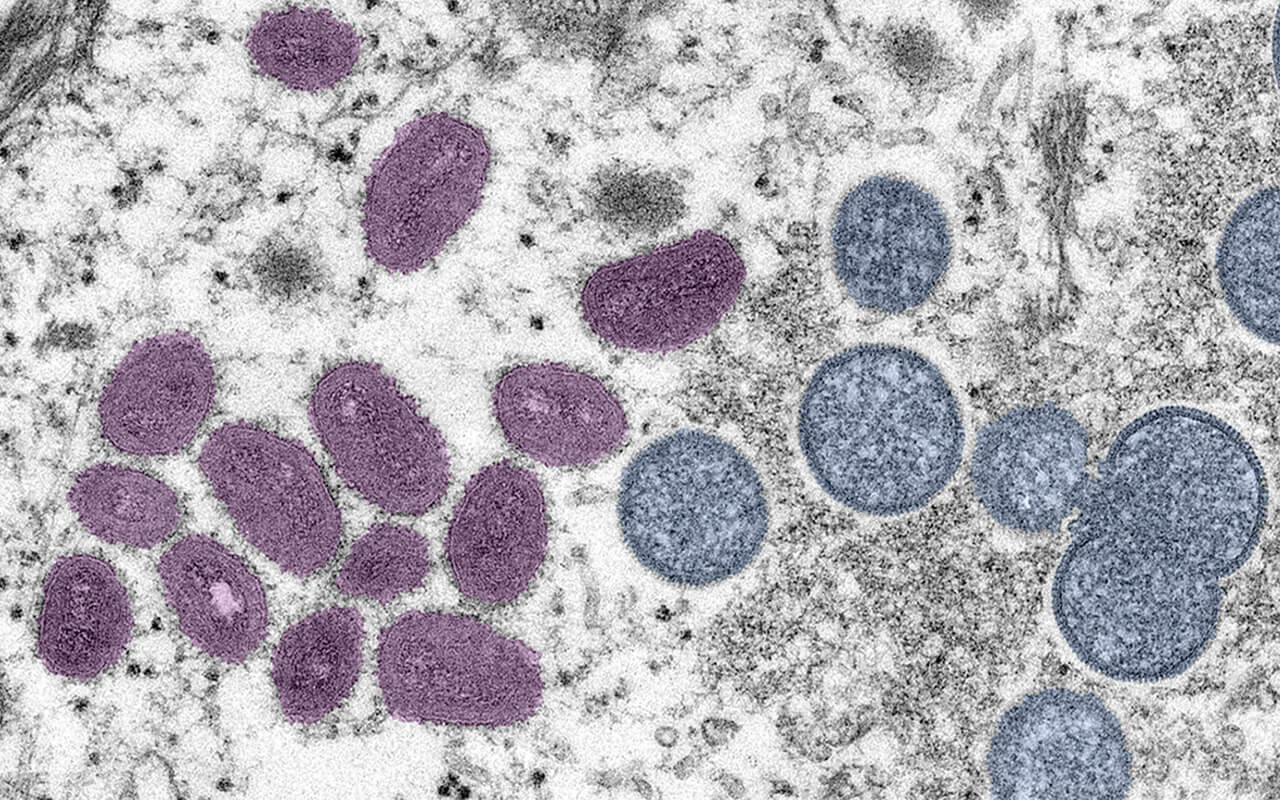
Mpox
To help infection preventionists quickly activate mpox prevention efforts, APIC’s Emerging Infectious Diseases Task Force has created an Mpox Playbook that IPs can download and customize for use in their facilities.

Polio
Polio, once one of the most feared diseases in the U.S., was virtually eliminated in this country, thanks to the poliovirus vaccine.
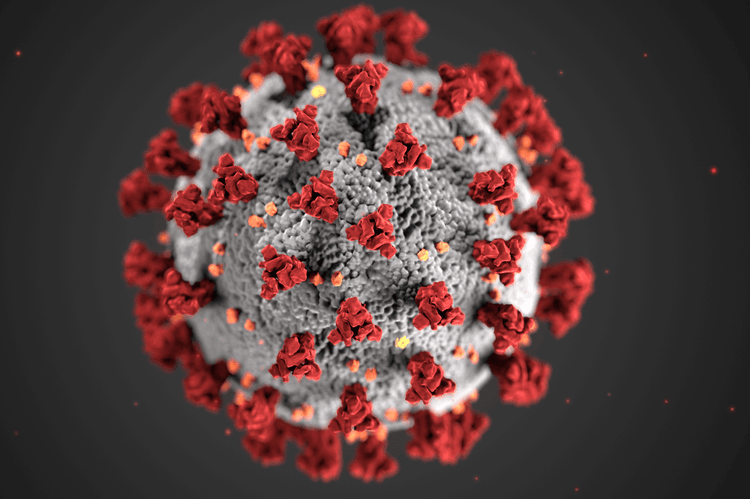
COVID-19
Access APIC resources for infection prevention and control practice regarding COVID-19.

Invasive Group A Strep (iGAS)
The CDC is looking into an increase in invasive group A strep (iGAS) infections among children in the United States. iGAS infections include necrotizing fasciitis and streptococcal toxic shock syndrome.
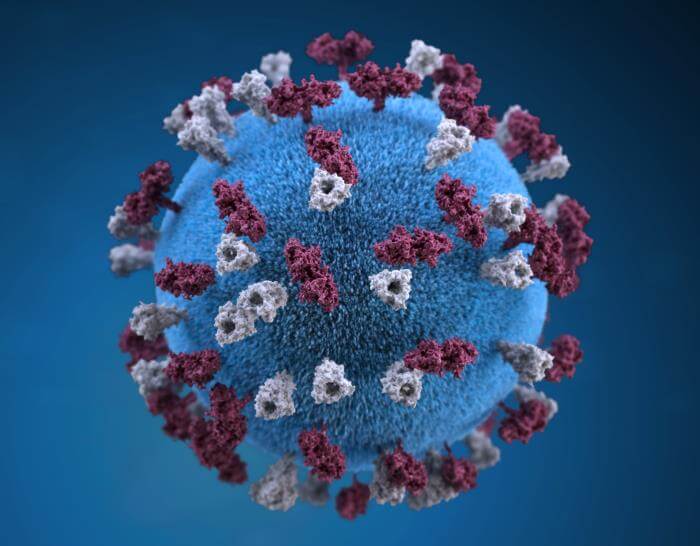
Measles
Measles is one of the most contagious infectious diseases and the most contagious vaccine-preventable disease. Approximately 90% of susceptible persons in close contact with measles will develop the disease.
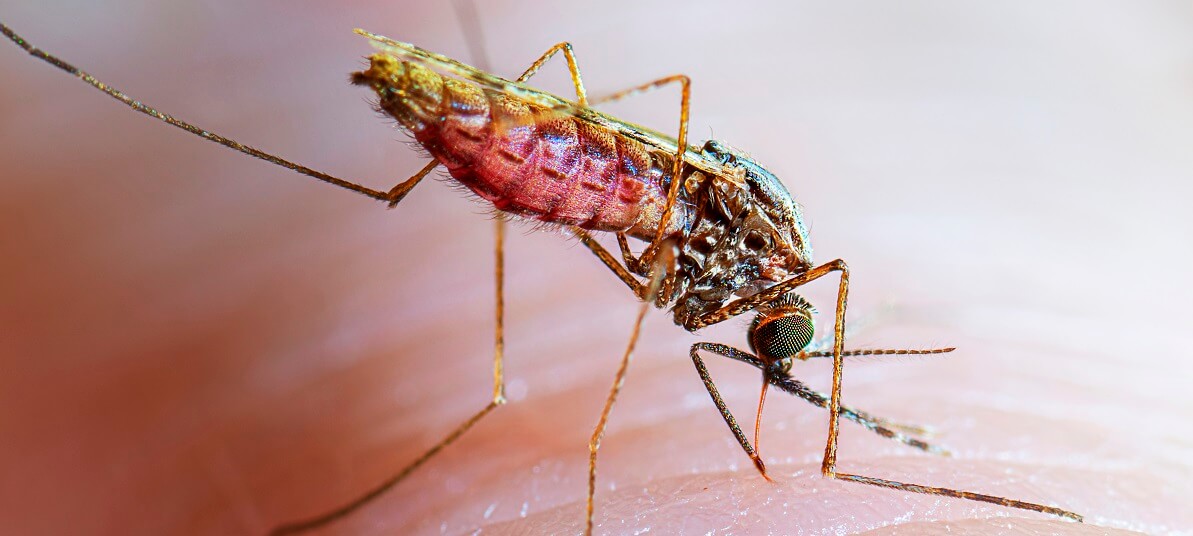
Malaria
Malaria is a serious and potentially fatal mosquito-borne disease caused by a parasite that lives in blood, and while there are approximately 2,000 cases of malaria diagnosed in the United States each year, nearly all cases are among individuals who have traveled to, or come from, countries where malaria transmission occurs.

IPC for Shelters During Disasters
During a major emergency, large numbers of individuals may be displaced and require shelter within the community.
Avian Influenza
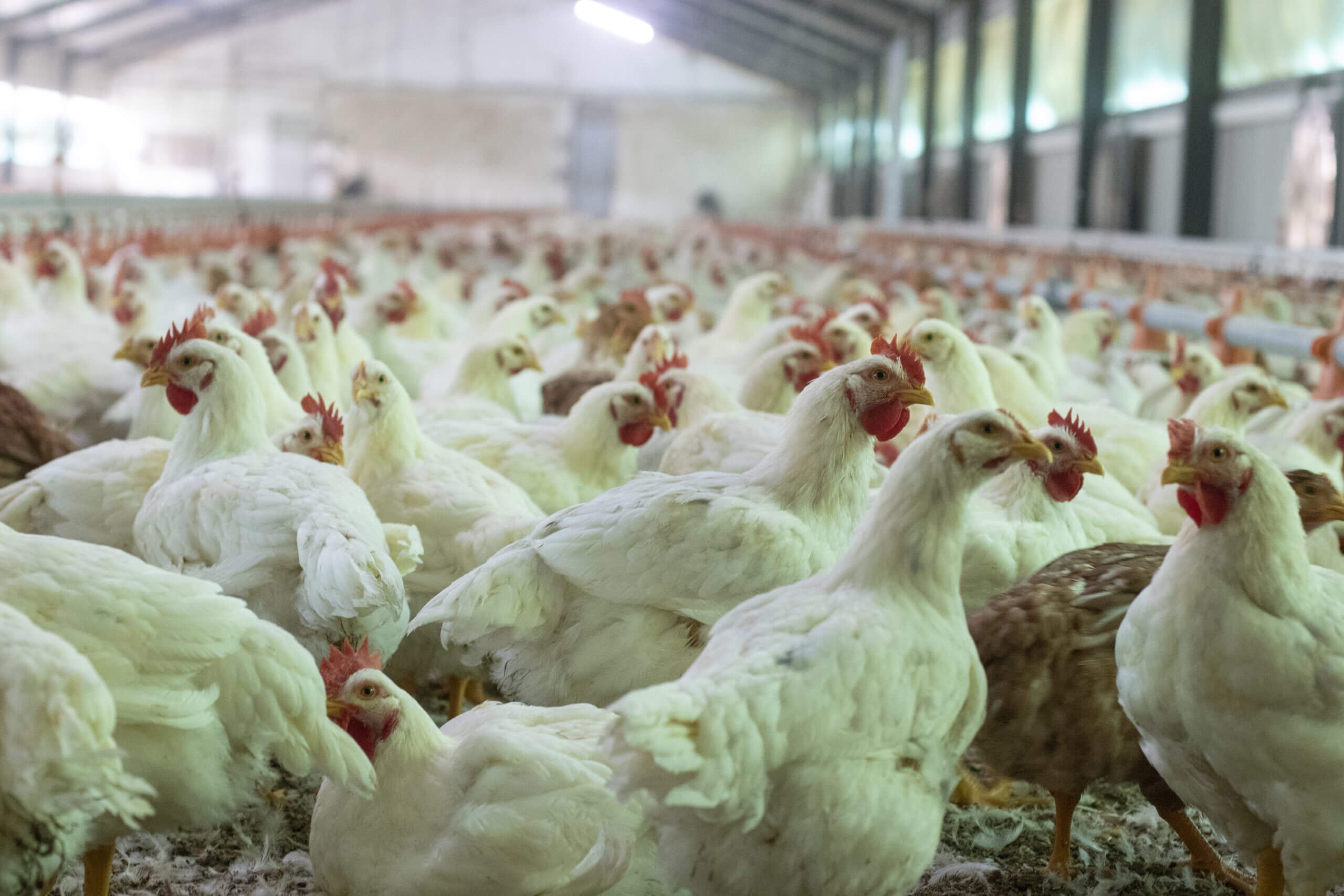
Avian Influenza is a disease caused by infection with avian influenza A virus. Avian Influenza can sicken and kill wild and domesticated birds. Although bird flu viruses do not normally infect people, rare cases of illness in humans from bird flu virus infections have occurred
Leprosy
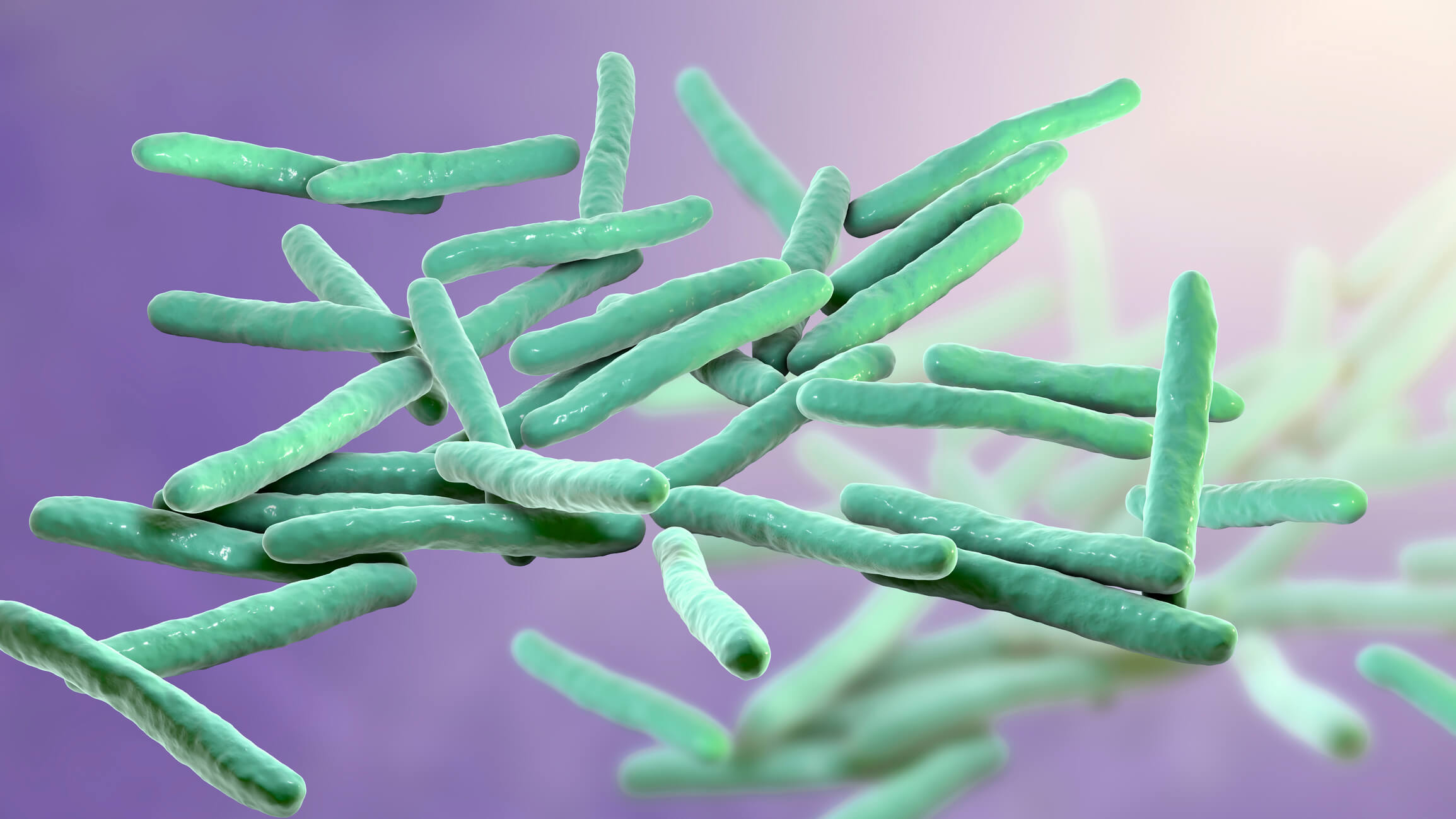
Leprosy, scientifically known as Hansen’s disease, continues to affect people throughout the world, especially in Africa, Asia, and South America. It is a chronic infectious disease caused by Mycobacterium leprae.
Marburg
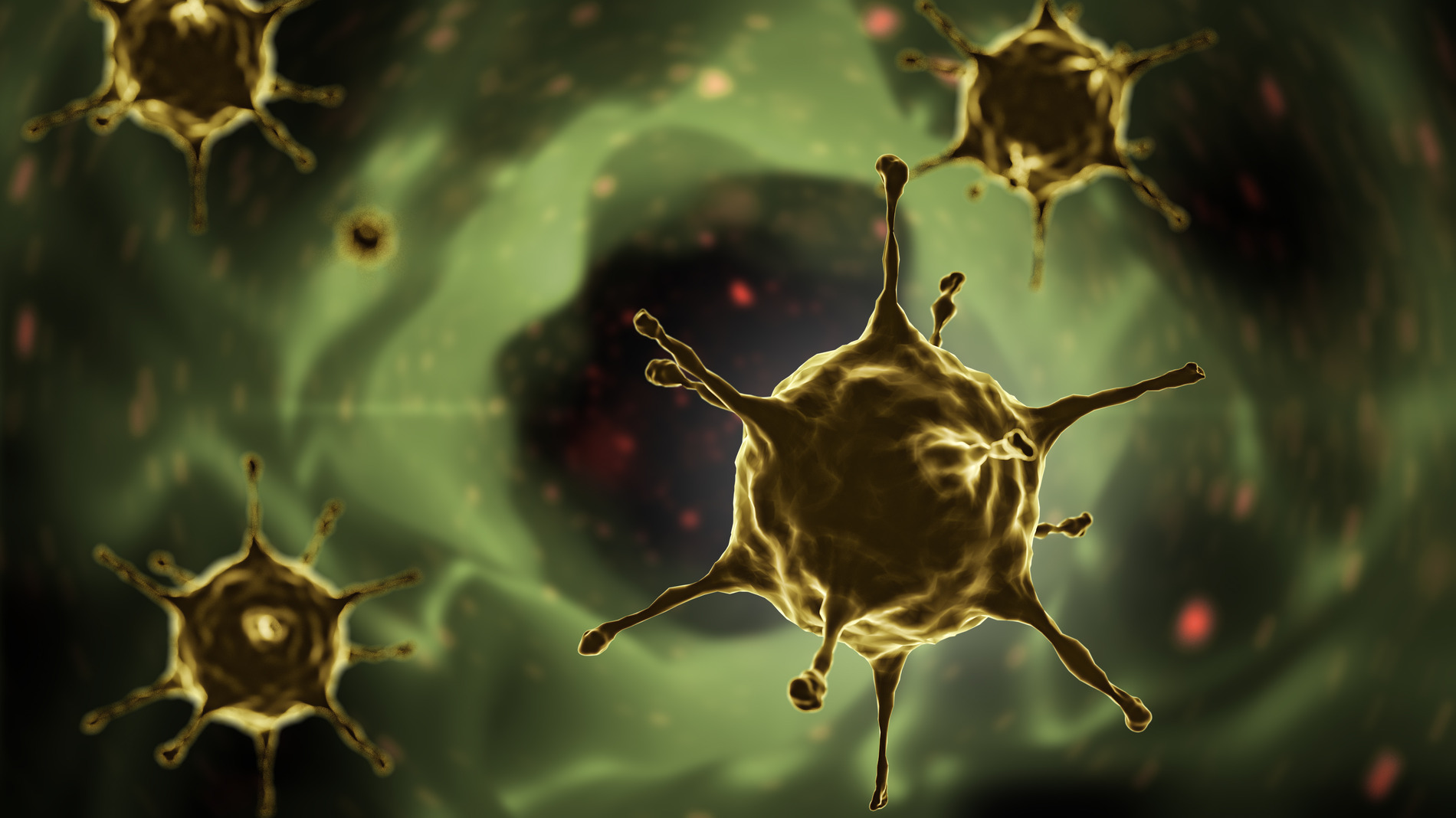
Marburg virus disease (MVD) can cause a viral hemorrhagic fever clinical pattern that is similar to Ebola.
Human metapneumovirus (HMPV)
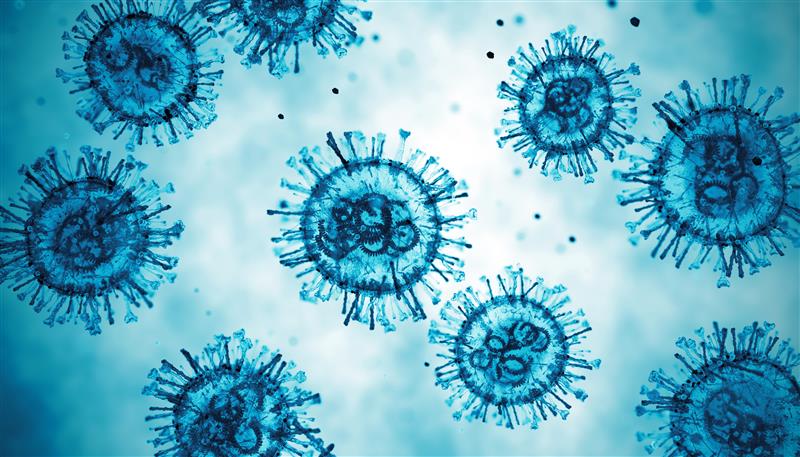
In late December 2024, Chinese media sources began reporting an outbreak of severe respiratory illnesses leading to hospital surges in northern provinces. Early reports indicated it was an unknown or new virus, and then later claiming the outbreak and hospital surges were due to human metapneumovirus (HMPV).
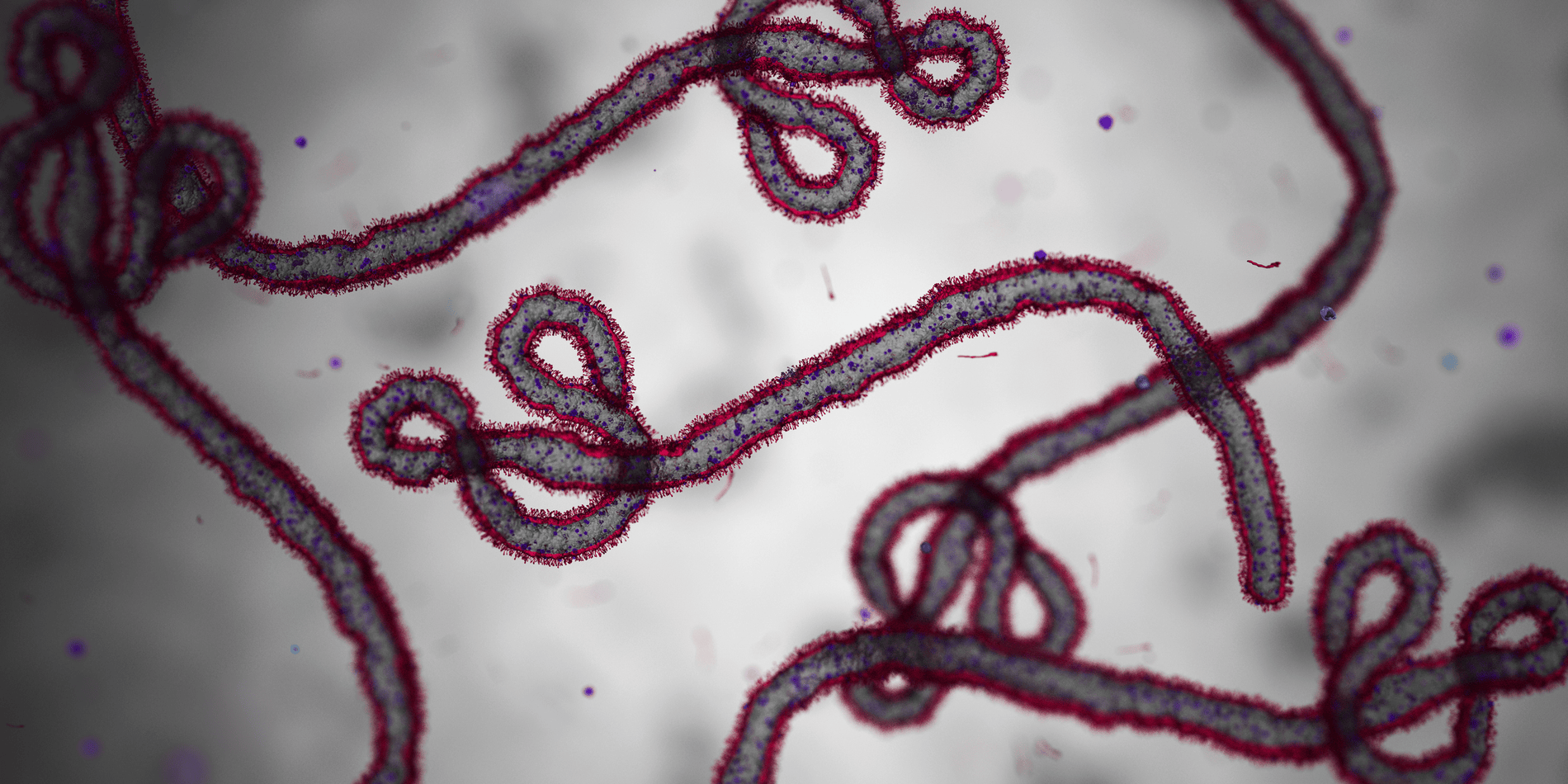
Ebola
Ebola disease is caused by a group of four orthoebolaviruses that can infect humans and nonhuman primates, all of which cause a similar disease pattern consisting of a viral hemorrhagic fever (VHF) clinical pattern.